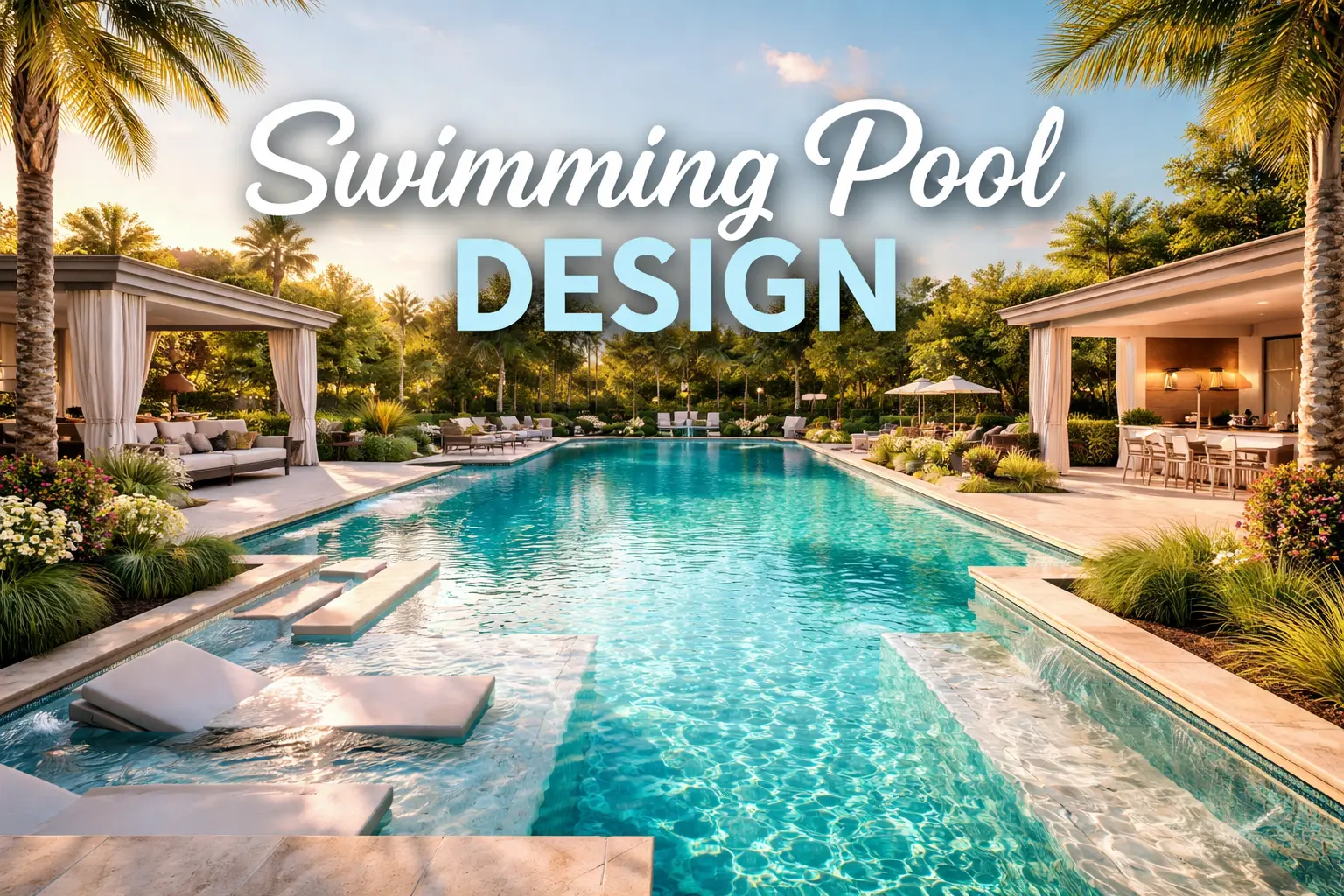
Designing a swimming pool goes far beyond simply adding water and tiles. It’s about creating a personalized outdoor retreat that reflects your lifestyle, complements your property’s architecture, and enhances overall value. Whether your dream is a sleek modern pool design, a resort-style luxury pool design, or a compact plunge pool for limited space, understanding the complete design process ensures flawless results. From conceptualization to material selection and final finishing, each phase plays a crucial role in achieving beauty and functionality. In this comprehensive guide, we’ll walk you through how to design a swimming pool step by step, exploring key decisions that impact structure, style, and maintenance.
Understanding Your Vision and Purpose
Every successful swimming pool design begins with a clear and well-defined vision. Before focusing on technical details, take a moment to consider why you want a pool and how it will complement your lifestyle. Is your goal to create a private oasis for relaxation, a fitness zone for daily laps, or a lively entertainment hub for family and friends? For those who prioritize exercise, a lap pool offers a sleek, functional layout. Homeowners seeking a touch of sophistication often opt for infinity pools, which blend visual luxury with architectural elegance. Families, on the other hand, may prefer a shallow leisure pool with safe, child-friendly areas and built-in seating.
Your intended use, available space, and design preferences will directly influence the shape, size, depth, and style of your pool. A professional pool design company can help translate your ideas into reality by balancing aesthetics, safety, and functionality. Defining your purpose early in the process sets the foundation for an efficient design plan, ensuring your swimming pool becomes not only a visual highlight but also a lasting source of enjoyment and value for years to come.
Assessing Your Space and Environment
- Conduct a thorough site evaluation: Begin your swimming pool construction process by analyzing the available space to determine the best location and layout for your pool.
- Study environmental factors: Consider how natural elements like sunlight, shade, and wind direction will influence water temperature, cleanliness, and overall comfort.
- Maximize solar exposure: Position your pool where it receives optimal sunlight throughout the day for naturally warmer water and reduced heating costs.
- Account for wind patterns: Avoid placing your pool in areas exposed to strong winds, which can cool the water and increase debris accumulation.
- Check soil and terrain conditions: Assess the soil type, slope, and drainage capacity of your site to decide whether an inground or above-ground pool design is more practical.
- Integrate with the landscape: Ensure your pool area design complements pathways, patios, gardens, and other outdoor features for a cohesive and inviting look.
- Plan for accessibility and safety: Keep adequate space for maintenance, seating areas, and fencing while ensuring compliance with safety standards.
Choosing the Right Pool Shape and Layout
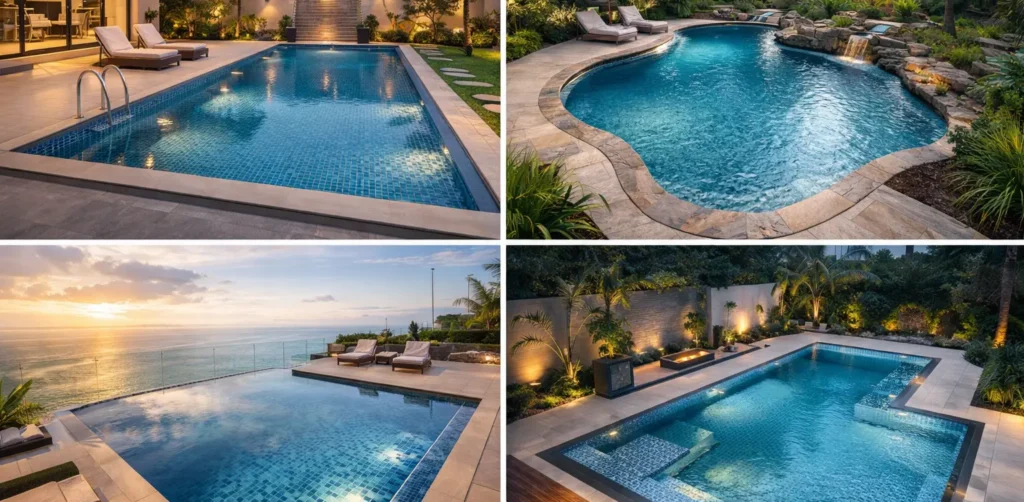
The shape and layout of your swimming pool are essential in defining its personality and usability. Rectangular pools are ideal for modern, minimalist homes and for those who enjoy lap swimming. Freeform pools, with their natural curves, blend beautifully with landscaping and create a resort-like ambiance. For high-end properties or scenic locations, infinity pools provide a seamless edge that merges with the horizon. Meanwhile, geometric pools combine sharp lines with artistic symmetry, perfect for contemporary architecture. When designing, think about access points, deck space, and how the pool integrates with your outdoor area. A professional pool design company like Zellia can present multiple layout options tailored to your preferences.
Selecting the Right Materials
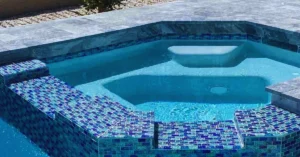
Selecting the right materials is essential to achieving both durability and elegance in your swimming pool design. Every element from the interior finish to the surrounding deck — plays a key role in defining your pool’s beauty, safety, and longevity. Pool mosaic tiles are the best option due to their vibrant colors, customizable patterns, and slip-resistant texture, making them ideal for both residential and commercial pools. For interior finishes, materials such as quartz, pebble, and ceramic coatings offer smooth surfaces that resist algae growth and chemical damage.
The surrounding pool decking, made from travertine, sandstone, or natural wood, adds warmth and complements your overall landscape design. When choosing materials, always consider factors like heat resistance, water absorption, and maintenance requirements. High-quality materials not only enhance your pool’s appearance but also ensure long-term performance, keeping it both functional and visually stunning for years.
Integrating Water Features and Lighting
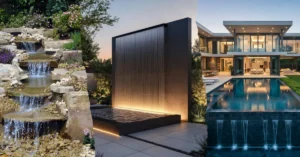
Adding water features and lighting to your swimming pool is one of the most effective ways to elevate its appearance and ambiance. These elements not only enhance visual appeal but also create a luxurious, resort-like atmosphere that transforms your pool area into a stunning outdoor retreat. From gentle waterfalls to dramatic lighting effects, thoughtful integration ensures your pool remains captivating both day and night.
Enhancing Aesthetics with Water Features
Water features such as cascading waterfalls, deck jets, fountains, and bubblers bring life and movement to your pool. They create a relaxing soundscape, improve water circulation, and add a touch of sophistication to modern and luxury pools. Whether you prefer a natural rock waterfall or a sleek, contemporary spillway, the right feature can dramatically transform your pool’s overall character.
Creating Ambiance with Pool Lighting
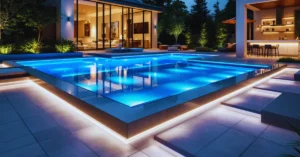
Lighting plays a crucial role in setting the mood and ensuring safety after sunset. LED pool lights, fiber-optic systems, and smart color-changing lights allow you to customize the atmosphere for every occasion — from vibrant pool parties to calm evening swims. Well-placed lighting also highlights textures, tiles, and architectural elements, enhancing the pool’s visual depth and elegance.
Balancing Design and Functionality
When integrating these features, balance is key. Too many elements can overwhelm the space, while subtle, well-positioned ones enhance harmony and relaxation. Ensure your lighting and water features complement the pool’s shape, size, and theme. Collaborating with experienced pool designers ensures that every detail — from pump placement to light positioning — works seamlessly together for both aesthetic and functional excellence.
Planning the Pool Surround and Landscape
A swimming pool’s true beauty lies not only in its structure but in how well it blends with its surroundings. A thoughtfully designed pool surround and landscape enhances comfort, functionality, and visual harmony. The goal is to create an inviting environment where relaxation meets style — transforming your outdoor area into a complete leisure destination. From choosing the right flooring to integrating lush greenery, every element should complement your pool’s design and theme.
Key design considerations for planning your pool surroundings include:
- Choose Non-Slip and Durable Flooring: Use high-quality materials such as travertine, sandstone, or textured tiles to ensure safety and durability while maintaining a sleek look.
- Create Comfortable Lounge Areas: Add outdoor furniture, sunbeds, and shaded pergolas to make your pool area ideal for relaxation and social gatherings.
- Incorporate Greenery and Landscaping: Select tropical plants, ornamental shrubs, or minimalist gardens that complement your overall swimming pool design and climate conditions.
- Design Functional Outdoor Zones: Include practical features like a BBQ corner, outdoor shower, or mini bar to increase usability and create a resort-style experience.
- Ensure Seamless Integration: Align your pool’s layout with surrounding walkways, lighting, and seating to achieve a natural flow between indoor and outdoor spaces.
Considering Pool Size and Depth
Determining the right pool size and depth is one of the most critical steps in achieving a perfect balance between design, safety, and functionality. The ideal dimensions depend on how you intend to use your swimming pool — whether it’s for exercise, relaxation, family recreation, or visual appeal. A well-planned pool should not only complement your property’s layout but also align with your lifestyle and maintenance preferences. Residential pools generally range from 4 to 6 feet in depth, which provides a safe and comfortable swimming experience for most users.
However, luxury and commercial pool designs often feature multiple depth zones — shallower areas for lounging and play, and deeper sections for laps or diving. For families with children or elderly members, adding gradual slopes or beach-style entries enhances accessibility and safety. Space optimization also plays a key role. Even compact areas can accommodate elegant designs such as lap pools, plunge pools, or modern geometric styles that maximize functionality without overwhelming the landscape. During planning, it’s equally important to consider maintenance requirements, water capacity, and long-term operational costs, as these directly relate to pool size and depth.
Selecting Pool Equipment and Technology
Behind every crystal-clear swimming pool is a sophisticated network of equipment that ensures clean, safe, and comfortable water year-round. The quality and efficiency of your pool equipment directly affect performance, maintenance needs, and long-term operational costs. A well-designed system integrates filtration, heating, and circulation components to keep your pool running smoothly with minimal effort. At the core of every swimming pool system is the pool filter pump, responsible for maintaining water clarity and proper circulation. Investing in a high-performance filtration system helps remove impurities, balance water chemistry, and prevent algae growth.
For enhanced efficiency, consider variable-speed pumps, which adjust flow rates based on demand and significantly reduce energy consumption. Modern technology has transformed pool management through smart automation systems. With the help of digital controllers or mobile apps, you can now monitor and control filtration, lighting, and water temperature remotely, ensuring convenience and consistency. Advanced heating systems, including solar and heat pump options, offer sustainable solutions for maintaining comfortable water temperatures in all seasons.
Safety and Compliance Considerations
Safety and compliance should always be at the forefront of any swimming pool project. Beyond aesthetics, every pool must meet structural, electrical, and environmental standards to ensure a secure and worry-free experience for users. Proper safety planning not only prevents accidents but also adds long-term value to your property. Start by incorporating essential protective features such as non-slip tiles, secure handrails, and clearly marked depth indicators to enhance user awareness.
Fencing and child-safety gates are mandatory in family-friendly best pool designs, preventing unsupervised access and reducing the risk of drowning. Motion sensors and pool alarms can offer an extra layer of protection for added peace of mind. From a technical standpoint, ensure drainage systems, electrical connections, and lighting installations comply with local building codes and international safety standards. Using ground-fault circuit interrupters (GFCIs) and maintaining proper grounding helps prevent electrical hazards.
Estimating Cost and Budget Planning
Planning your budget is one of the most crucial steps in the swimming pool project. The total cost varies depending on factors such as pool size, material selection, design features, and overall site conditions. A well-planned budget ensures you achieve the desired look and functionality without overspending. Beyond construction, it’s important to consider long-term costs like maintenance, energy use, and water treatment. By identifying priorities early, homeowners can make smart choices that balance beauty, performance, and affordability.
- Pool cost depends on size, design complexity, materials, and location.
- Luxury features like infinity edges, automation, or imported finishes increase investment.
- Include recurring expenses such as cleaning, heating, and lighting in your budget.
- Discuss budget flexibility with your contractor to align design goals with affordability.
- Transparent financial planning helps prioritize high-impact features without unnecessary costs.
A clear budget not only streamlines decision-making but also ensures that every element of your swimming pool adds lasting value to your property.
Partnering with a Professional Pool Design Company
Designing and building a swimming pool that perfectly combines functionality, elegance, and long-term durability is a task best left to professionals. A trusted pool design company brings technical expertise, creative vision, and engineering precision to every stage from initial site assessment to final finishing. Professionals understand how to balance aesthetics with safety, ensuring that each element — structure, materials, lighting, and landscaping — works in harmony to create a cohesive design.
Partnering with an experienced firm like Zellia Art Works ensures your pool project is handled with unmatched craftsmanship and attention to detail. Our expertise in custom pool designs, luxury outdoor concepts, and commercial pool projects allows us to deliver tailored solutions that align with your lifestyle. Working with professionals eliminates guesswork, reduces the risk of costly errors, and guarantees compliance with all safety and construction standards.
Conclusion
Designing a swimming pool is more than a construction project — it’s the creation of a personal sanctuary that reflects your lifestyle, taste, and vision. Every stage, from conceptual planning to material selection and technology integration, plays a vital role in shaping the final outcome. A well-designed pool not only enhances the beauty of your property but also adds long-term value and functionality to your outdoor space.
With thoughtful planning, attention to detail, and expert craftsmanship, your dream pool can transform into a luxurious retreat for relaxation, recreation, and timeless enjoyment. Whether you envision a modern residential pool, a custom luxury design, or a large-scale commercial project, partnering with Zellia Art Works ensures perfection at every step. As a leading swimming pool construction company, Zellia delivers end-to-end services from innovative design to precise execution and ongoing maintenance.
FAQs
How long does it take to design and build a swimming pool?
The entire process, including design, approvals, and construction, typically takes between 6 to 12 weeks, depending on size and complexity.
What are the most popular modern pool designs?
Infinity edges, geometric layouts, and natural freeform pools are trending in 2025 for their sleek, luxurious appeal.
How much does a swimming pool cost in Pakistan?
Cost varies by material, size, and features, but a professional company like Zellia Art Works offers customized packages for every budget.
What maintenance does a swimming pool require?
Routine cleaning, pH balancing, and filter maintenance are essential. Investing in automation can simplify upkeep and ensure water clarity year-round.