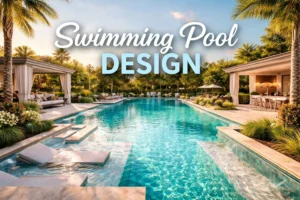
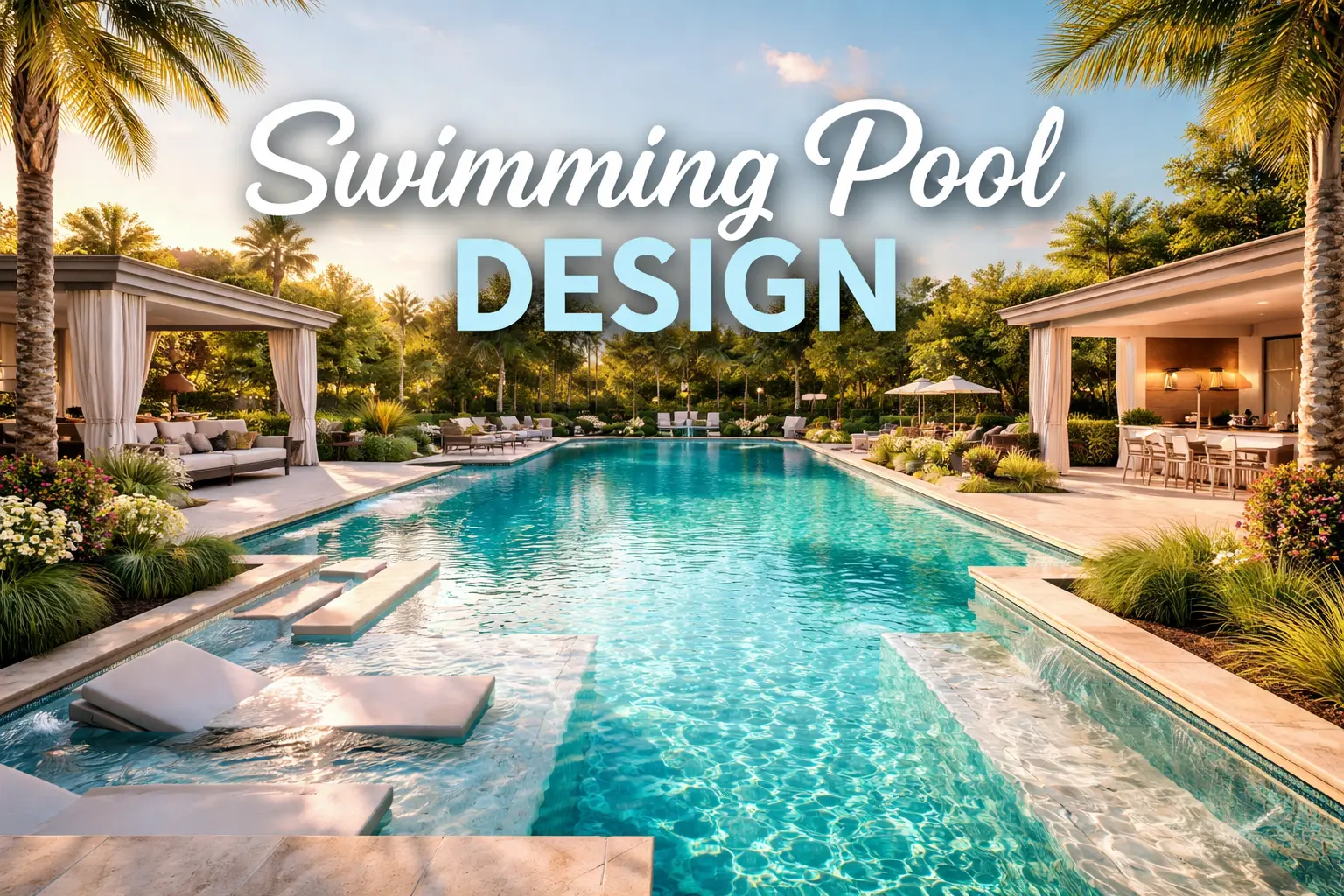
A well-planned swimming pool design is more than just a visual upgrade, it’s an investment in comfort, lifestyle, and property value. Whether you’re building a new pool or upgrading an existing space, the right design can transform your outdoor area into a functional and relaxing retreat.
From choosing the layout to selecting materials and adding finishing details, every decision plays a key role in achieving a balanced and long-lasting result. This guide will help you understand the essential elements of creating a modern and practical swimming pool design.
Understanding Your Needs and Purpose
Every successful swimming pool project starts with a clear purpose. Before finalizing your design, think about how you plan to use the pool. If relaxation is your priority, consider a design that includes shallow lounging areas, comfortable seating, and calm water features. For fitness, a lap pool with a straight and spacious layout is ideal. Families often prefer versatile designs with safe depth levels and enough space for social activities. Defining your purpose early helps ensure your swimming pool design matches both your lifestyle and long-term expectations.
Choosing the Right Shape and Layout
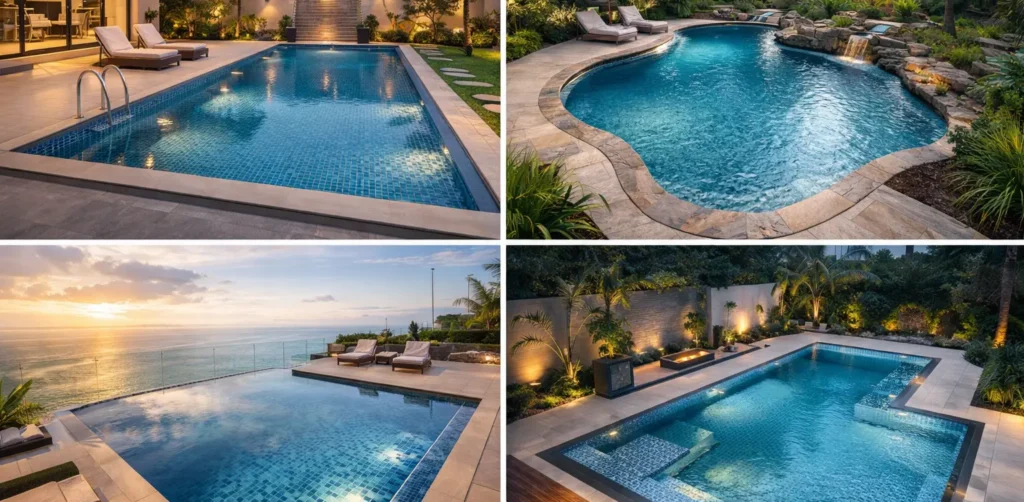
The shape and layout define the overall look and usability of your pool. A rectangular pool is a popular choice for modern homes because of its clean lines and efficient use of space. Freeform designs, on the other hand, offer a more natural appearance and blend well with landscaping.
For luxury properties, infinity pools create a high-end visual effect, while geometric designs work well with contemporary architecture. When planning the layout, also consider entry points, deck space, and how the pool connects with the rest of your outdoor area.
Selecting Durable and Stylish Materials
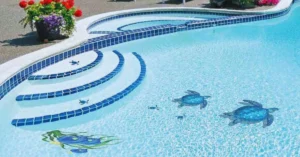
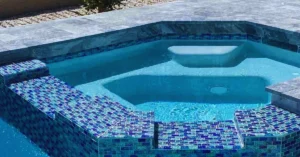
Material selection is one of the most important aspects of any swimming pool design. It affects both the appearance and long-term durability of your pool. Mosaic tiles are widely used for their elegant finish, slip resistance, and design flexibility.
Interior finishes such as quartz or pebble coatings provide smooth surfaces and reduce maintenance needs. For the surrounding deck, materials like natural stone or textured tiles ensure safety while enhancing the overall look. Choosing high-quality materials ensures your pool remains visually appealing and functional for years.
Enhancing the Pool with Features and Lighting
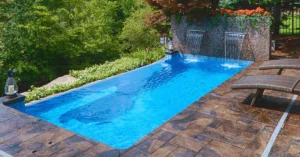
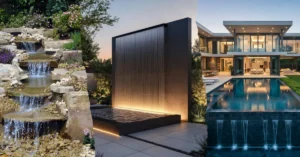
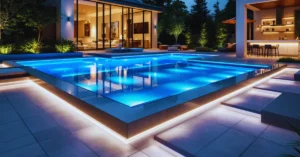
Adding features and lighting can significantly improve the overall experience of your pool. Water elements such as waterfalls or fountains create movement and a relaxing atmosphere. Lighting, especially LED and smart systems, adds both safety and style. It allows you to enjoy your pool even at night while highlighting design elements and textures. A well-balanced combination of features can elevate your swimming pool design without making it feel overcrowded.
Designing the Surrounding Space
A pool should feel like part of a complete outdoor environment. The surrounding area plays a major role in comfort and usability. Incorporate seating areas, shaded zones, and outdoor furniture to create a relaxing atmosphere.
Adding greenery, plants, and pathways helps blend the pool naturally with the landscape. Using slip-resistant flooring ensures safety while maintaining a clean and modern look. A well-designed outdoor space makes your pool more inviting and practical for daily use.
Deciding the Right Size and Depth
The size and depth of your pool should match your available space and intended use. Most residential pools have a depth of around 4 to 6 feet, which is suitable for general use. If you want more versatility, consider a multi-depth design with both shallow and deeper sections. For smaller areas, compact pool designs can provide functionality without taking up too much space. Proper planning ensures your swimming pool design remains efficient, safe, and easy to maintain.
Choosing Equipment and Technology
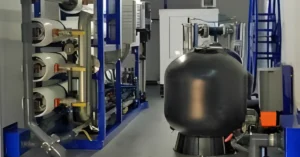
Modern swimming pools rely on advanced equipment for performance and convenience. A good filtration system is essential to keep the water clean and safe.
Energy-efficient pumps help reduce electricity costs, while smart automation systems allow you to control lighting, temperature, and filtration remotely. These technologies not only improve efficiency but also make pool maintenance much easier.
Safety and Maintenance Considerations
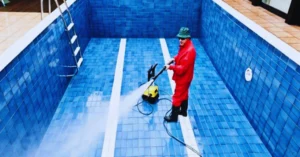
Safety should always be a priority in any swimming pool design. Installing non-slip surfaces, proper fencing, and handrails can help prevent accidents. Regular maintenance is also important. Keeping the water balanced, cleaning the pool, and maintaining equipment ensures long-term performance and hygiene. Following safety standards and maintenance practices protects both users and your investment.
Budget Planning and Cost Factors
Budget planning plays a key role in shaping your pool design. The overall cost depends on size, materials, and additional features.
It’s important to consider both initial construction costs and long-term expenses such as maintenance, energy use, and repairs. Prioritizing essential features first allows you to stay within budget while still achieving a high-quality result. A clear financial plan helps avoid unnecessary costs and ensures a smoother project.
Working with Professional Designers
Hiring experienced professionals can make a significant difference in the success of your swimming pool design. Experts understand how to balance aesthetics, functionality, and technical requirements to deliver a well-structured and long-lasting result.
They assist with layout planning, material selection, and precise installation, ensuring every detail is executed professionally. Working with a trusted company like Zellia Art Works also reduces the risk of costly mistakes and guarantees that your pool meets safety, quality, and performance standards.
Conclusion
A well-executed swimming pool design combines creativity, planning, and technical expertise. By understanding your needs, choosing the right materials, and focusing on functionality, you can create a pool that enhances both comfort and property value. With the right approach and professional guidance, your pool can become a long-lasting and enjoyable outdoor feature.