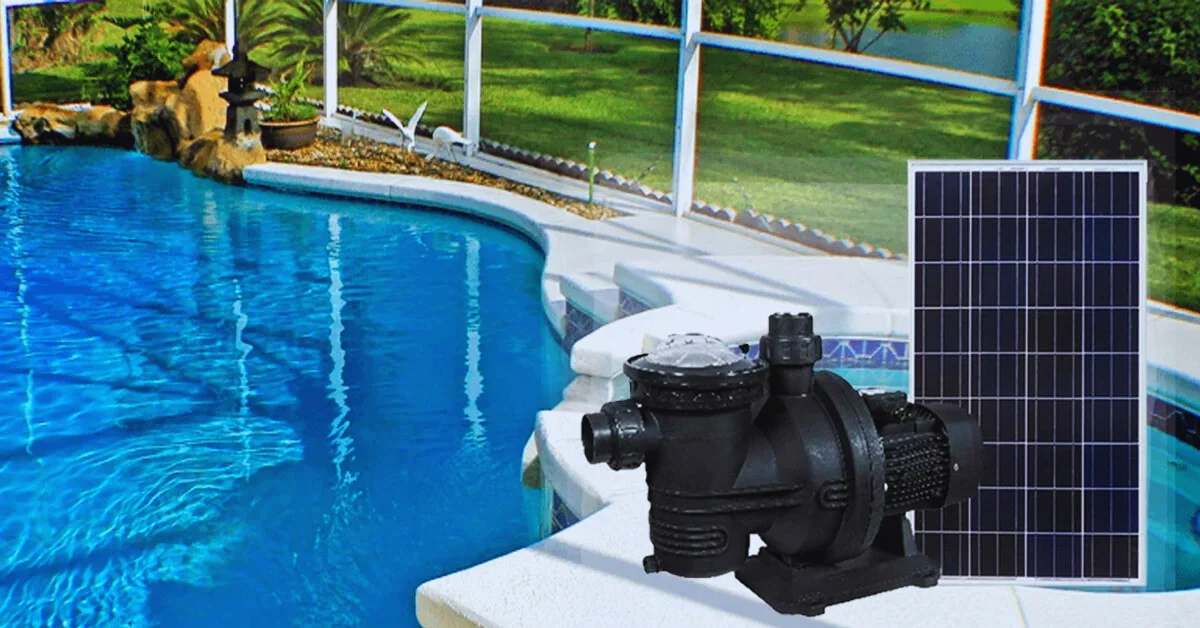
A swimming pool pump is the heart of your pool’s circulation system, responsible for keeping the water clean, clear, and chemically balanced. It continuously moves water through the filtration system, preventing algae growth, debris buildup, and water contamination. Choosing the right pool pump is essential for maintaining proper circulation, reducing electricity costs, and extending the lifespan of your pool equipment.
Many pool owners underestimate the importance of selecting the correct swimming pool pump, which can lead to high energy bills, poor water flow, and frequent maintenance issues. Whether you are installing a new pool or upgrading your existing system, understanding the different types of pumps and their energy efficiency is crucial.
In this complete guide, we’ll help you choose the best swimming pool pump, explain how it works, and highlight the most energy-efficient options available—especially for homeowners looking for reliable pool pump solutions in Lahore and across Pakistan.
What is a Swimming Pool Pump?
A swimming pool pump is a mechanical device that circulates water through the pool’s filtration system, ensuring the water stays clean and safe to swim in. It draws water from the pool, pushes it through filters, heaters, and chemical systems, and then returns it back to the pool.
Without a properly functioning pump:
- contaminants and debris accumulate
- chemicals don’t distribute evenly
- water clarity suffers
- algae growth increases
Modern pool pumps are designed for efficiency and often include energy-saving features. A well-chosen pump not only improves water quality but also prolongs the life of other pool equipment.
Types of Swimming Pool Pumps
Choosing the right swimming pool pump depends on your pool size, usage, and energy efficiency requirements. Below are the three main types of pool pumps used in residential and commercial pools in Lahore and across Pakistan.
Single-Speed Swimming Pool Pump
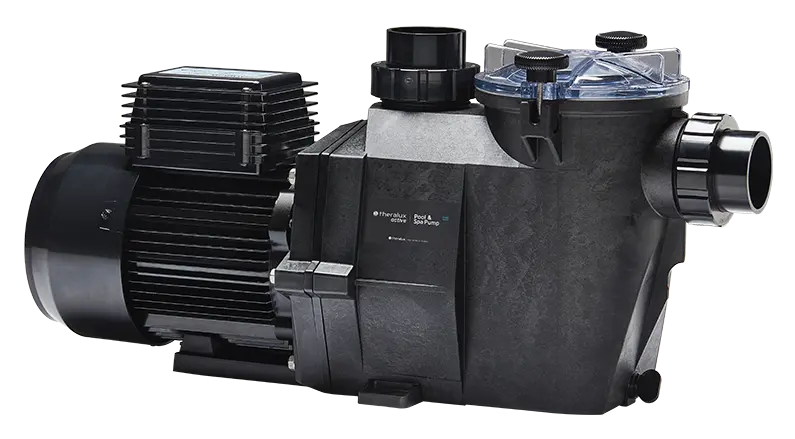
A single-speed pool pump operates at one constant speed. It runs at full power whenever it is turned on. These pumps are generally the most affordable option and are commonly used in small residential pools.
They are simple in design and effective for basic filtration but consume more electricity because they cannot adjust speed based on demand.
| Pros | Cons |
|---|---|
| Lower upfront cost | High electricity consumption |
| Simple installation | Less energy efficient |
| Reliable for small pools | Not suitable for large pools |
| Easy maintenance | No speed control |
Best For:
Budget-focused pool owners in Lahore with small to medium residential pools.
Dual-Speed Swimming Pool Pump
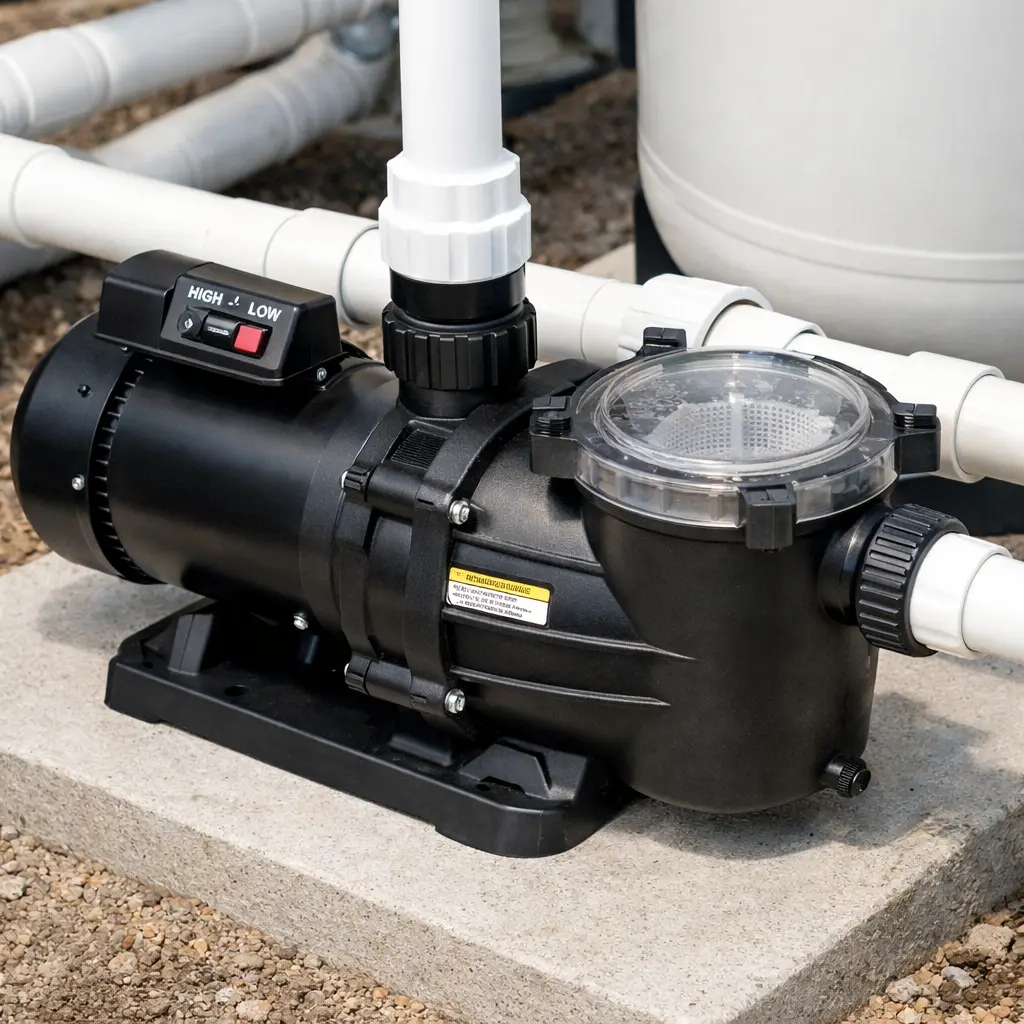
A dual-speed pool pump operates at two different speeds: high and low. High speed is used for vacuuming and cleaning, while low speed is used for daily filtration and circulation.
This makes it more energy-efficient compared to single-speed pumps and extends equipment lifespan.
| Pros | Cons |
|---|---|
| Better energy efficiency than single-speed | Higher upfront cost than single-speed |
| Longer motor lifespan | Manual switching required (in some models) |
| Quieter operation at low speed | Not as efficient as variable-speed |
| Good for medium to large pools | Limited speed flexibility |
Best For:
Medium to large residential pools in Lahore looking for a balance between cost and efficiency.
Variable-Speed Swimming Pool Pump
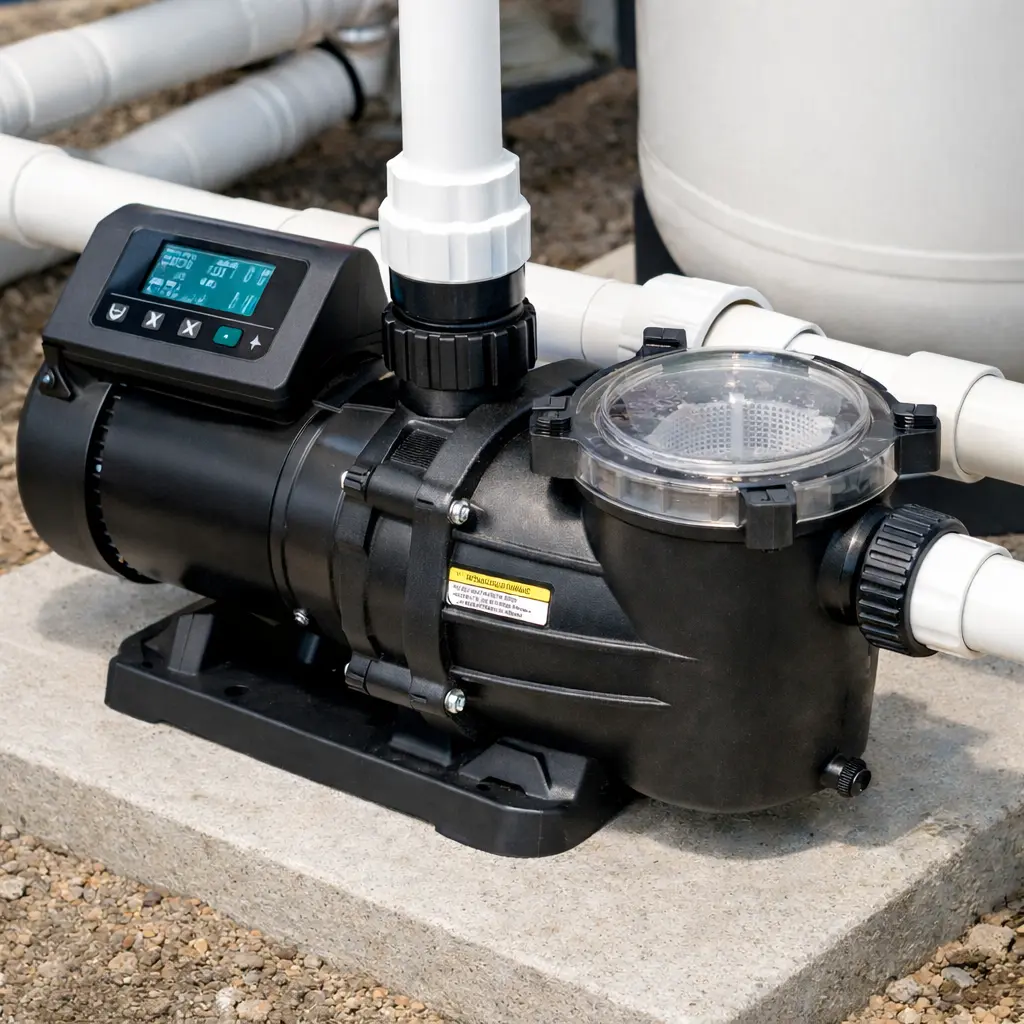
A variable-speed swimming pool pump is the most advanced and energy-efficient option available. It allows you to adjust the motor speed precisely according to your pool’s needs. These pumps are programmable, quieter, and significantly reduce electricity costs over time.
| Pros | Cons |
|---|---|
| 60–80% energy savings | Higher initial cost |
| Extremely quiet operation | Requires professional installation |
| Programmable settings | More advanced setup |
| Best long-term return on investment | May not be necessary for very small pools |
Best For:
Large residential pools, commercial pools, and homeowners in Lahore looking for long-term energy savings and premium performance.
Quick Comparison Overview
| Feature | Single-Speed | Dual-Speed | Variable-Speed |
|---|---|---|---|
| Energy Efficiency | Low | Medium | High |
| Electricity Cost | High | Moderate | Low |
| Noise Level | Loud | Moderate | Very Quiet |
| Upfront Cost | Low | Medium | High |
| Long-Term Savings | Low | Medium | High |
Read More: Best Pool Filtration Systems
How a Pool Pump System Works
A pool pump system moves water from the pool to filtration, treatment, and back. Understanding this helps with installation and troubleshooting.
Basic Flow:
Pool → Pump → Filter → Heater/Chemical System → Pool
Proper flow and pressure ensure:
Water clarity
Balanced chemicals
Reduced algae and bacteria
Factors to Consider When Choosing a Pool Pump
Pool Size and Volume
The size and volume of your pool directly affect the pump capacity you need. A pump that is too small will struggle to circulate water properly, while an oversized pump wastes energy and increases operational costs. Calculating your pool’s volume in gallons is the first step toward selecting the right pump. Once you know the volume, you can determine the required gallons per minute (GPM) for effective circulation.
Pump Flow Rate and Head Pressure
Flow rate, measured in GPM, determines how quickly water moves through your pool’s system. Head pressure is the resistance caused by plumbing, filters, and other components. Selecting a swimming pool pump that balances flow rate and head pressure ensures proper filtration and water quality.
Energy Efficiency
Energy-efficient pumps, especially variable-speed models, reduce electricity usage significantly. With rising energy costs, choosing an energy-saving swimming pool pump is a smart investment. As a largest equipment supplier in Lahore, Zellia Art Works provides you the best pool pumps with ENERGY STAR certification.
Noise Level
Quiet pumps enhance the pool experience, especially in residential areas. Variable-speed and dual-speed pumps typically operate much more quietly than single-speed models.
Durability and Build Quality
High-quality materials like corrosion-resistant plastics and stainless steel improve pump lifespan. Consider warranty, manufacturer reputation, and customer reviews when evaluating durability.
How to Calculate the Right Pump Size for Your Pool
Calculating the correct pump size involves determining your pool’s volume and turnover rate—the time it takes for the pump to circulate the entire pool volume. Most pools require a turnover time of 8–12 hours. First, calculate your pool volume in gallons, then divide it by the desired turnover time to find the required GPM.
For example, a 24,000-gallon pool with a 10-hour turnover requires a pump with at least 40 GPM. Factoring in plumbing size and head pressure ensures your selected pump can handle the load efficiently. Correct sizing prevents underperformance, high energy bills, and premature equipment wear. A properly sized swimming pool pump maintains crystal-clear water while minimizing operating costs.
Maintenance and Lifespan of Pool Pumps
Routine Maintenance Tips
Regular maintenance ensures your swimming pool pump runs efficiently for years. Clean the pump basket weekly, check for leaks, and inspect seals and gaskets. Lubricate O-rings and keep the area around the pump free from debris.
Signs Your Pump Needs Replacement
Unusual noises, reduced flow, frequent tripping of breakers, or water leaks indicate it may be time to replace your pump. Replacing a worn-out pump promptly prevents further damage to filters, heaters, or plumbing. Selecting a durable, high-quality swimming pool pump reduces maintenance needs and ensures long-term performance.
Popular Pool Pump Brands and Reviews
- Pentair Pool Pumps: Pentair is known for high-quality, energy-efficient pumps with reliable performance.
- Hayward Pool Pumps: Hayward offers durable pumps, including variable-speed models, suitable for residential and commercial pools.
- Sta-Rite Pool Pumps: These pumps are praised for quiet operation, durability, and user-friendly design.
Why Choose Zellia Art Works in Lahore
As one of the leading pool equipment suppliers and installation experts in Lahore, Pakistan, Zellia Art Works offers:
- Professional pump selection guidance
- Local installation services
- Warranty & maintenance support
- ENERGY STAR certified pumps
Whether you’re building a new pool or upgrading equipment, Zellia ensures the right solution.
Final Words
A swimming pool pump is essential for keeping your pool water clean, clear, and properly circulated. Choosing the right type and size ensures better energy efficiency, lower electricity bills, and longer equipment life. While single-speed pumps suit smaller budgets, variable-speed pumps offer the best long-term savings and quiet performance especially for homeowners in Lahore facing high energy costs. With proper sizing, professional installation, and regular maintenance, the right pool pump will keep your pool running efficiently all year round.