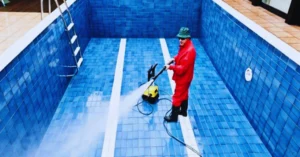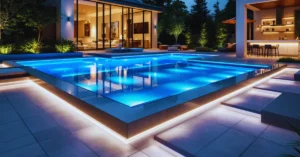
Swimming pool tiles are far more than simple decorative elements — they define the entire character of your pool. From enhancing visual appeal to improving durability, safety, and long-term maintenance, the right tile choice plays a crucial role in overall performance. Whether you are building a new swimming pool or upgrading an existing one, selecting the perfect tile is one of the most important decisions you will make, as it directly impacts both the beauty and lifespan of your investment.
This guide contains all information related to swimming pool tiles including types, materials, finishes, design inspiration, installation process, maintenance tips, price comparison, pros and cons of each, and recommended products from experts in the swimming pool industry. Zellia Art Works offers a range of services including design and installation of custom mosaics and expert tile replacement for existing pools. Whatever type of finish you are looking for, whether it’s durable or luxurious — we can help you create the perfect mosaic for your specific project location.
Why Swimming Pool Tiles Matter More Than You Think
When people think about their swimming pools, they focus mainly on things like size and shape. However, there are a number of factors to consider regarding tiling a pool that can greatly impact the pool and how it performs and looks.
- Factors that influence pool tile choice include:
- Protection of the pool structure
- Waterproofing
- Slip resistance and safety
- Resistant to chemicals such as chlorine
- Durability
- Aesthetic appeal
Tiles on a swimming pool protect the concrete structure from being continually exposed to water. If a pool has not been properly tiled, water will be able to seep into the structure which will eventually create cracks in the structure and require expensive repairs. Additionally, having good quality pool tiles also help to minimize the growth of algae, are stain resistant, and are easy to keep clean.
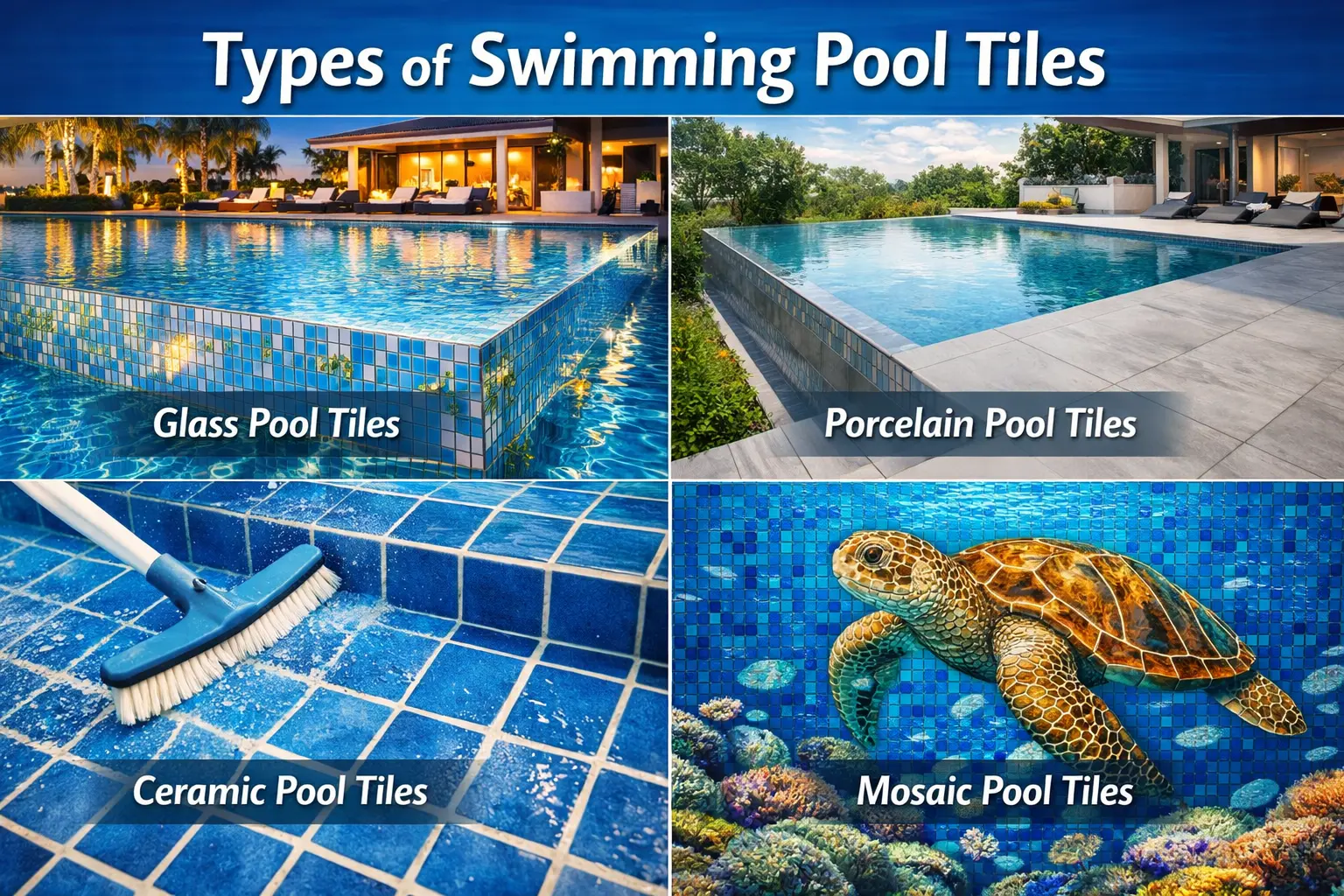
Types of Swimming Pool Tiles
1. Glass Swimming Pool Tiles
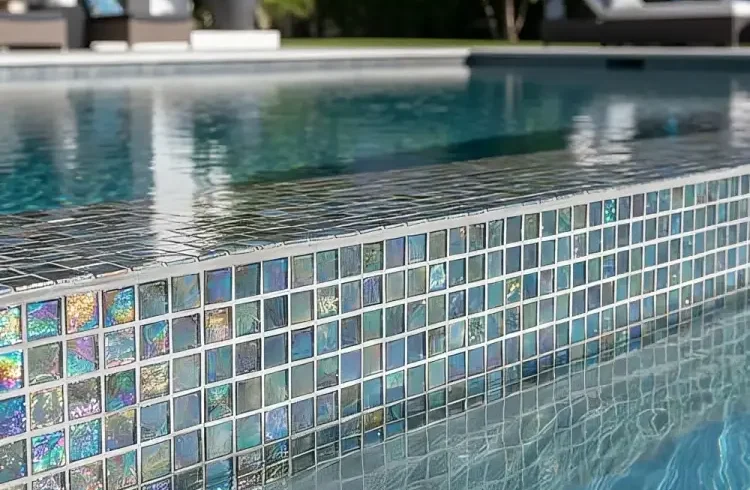
Glass swimming pool tiles are regarded as the best option for luxury swimming pools. They have a beautiful light reflection, giving a shimmering water effect that beautifies the entire outdoor area.
Pros:
- Have extremely low water absorption
- Are fade-resistant under sunlight exposure
- Are resistant to pool chemicals
- Have long-lasting color vibrancy
- Are eco-friendly
Cons:
- Are more expensive
- Require professional installation
Glass pool tiles are best suited for infinity pools, resort-style pools, and architectural designs.esort-style pools, and modern architectural designs.
2. Porcelain Swimming Pool Tiles
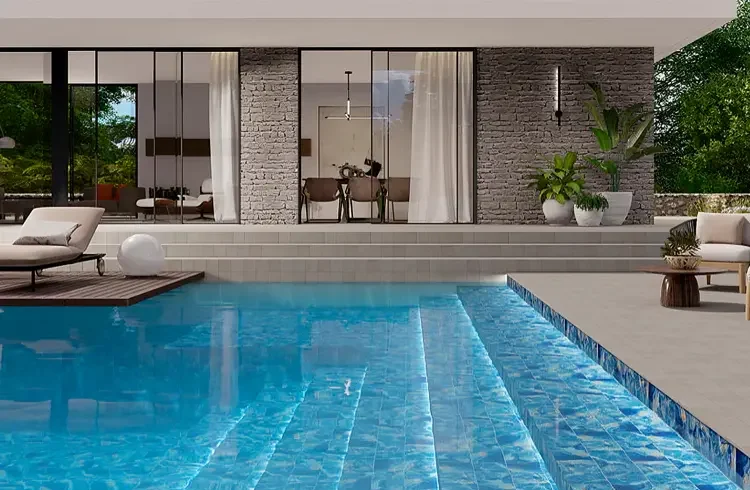
Porcelain swimming pool tiles are extremely durable and strong. They are produced at high temperatures, making them dense and water-resistant.
Why Choose Porcelain Pool Tiles?
- They have slip-resistant finishes
- They are suitable for pool deck areas
- They are freeze-thaw resistant
- They are scratch-resistant
- They have low maintenance
Porcelain is one of the finest materials for pool interiors and pool deck areas.
3. Ceramic Swimming Pool Tiles
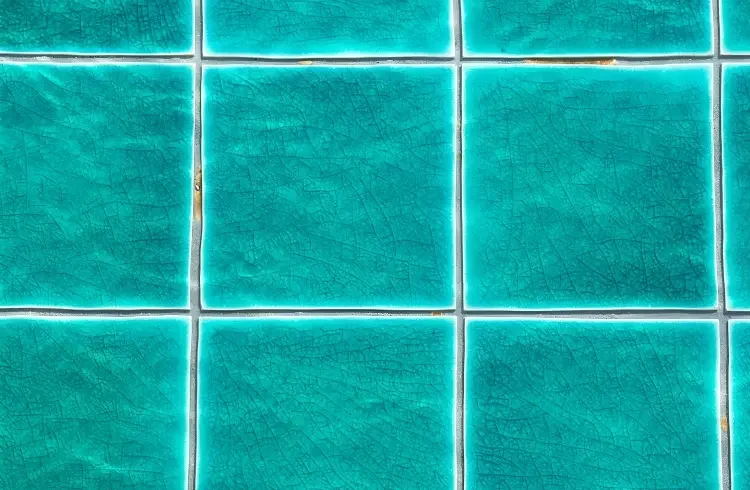
Swimming pool ceramic tiles are a low-cost and functional product used in private swimming pools. Using natural clay heated in the kiln up to high temperatures makes ceramic tiles durable and waterproof. The reasons that ceramic tiles are the most common choice of tiles for in-ground swimming pools include their reasonable price and abundance.
Key Benefits:
- Affordable pricing
- Available in multiple patterns
- Easy to replace
- Good for waterline tiles
- Often used for decorative borders and traditional blue pool finishes.
4. Mosaic Swimming Pool Tiles
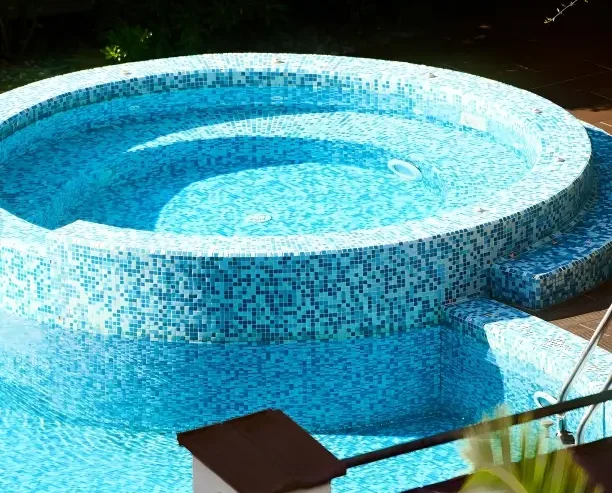
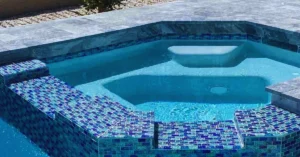
Swimming pool mosaic tiles are an upscale and modern way to construct an artistic individualized design in a swimming pool. The small individual mosaic tile pieces are affixed to a mesh sheet for ease of installation/ creative design. Swimming pool mosaic tiles are made from glass or porcelain with the following characteristics; everlasting, waterproof, and suited for swimming pool installation. The light reflective property of swimming pool mosaic tiles provides an upscale appearance, adding elegance to any backyard swimming pool.
Common Uses of Mosaics:
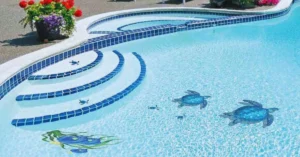
- Dolphin or turtle pool art
- Company logos
- Geometric patterns
- Decorative steps
Swimming Pool Tile Materials Comparison Table
| Feature | Glass Tiles | Porcelain Tiles | Ceramic Tiles | Mosaic Tiles |
|---|---|---|---|---|
| Durability | Very High | High | Moderate | High |
| Water Absorption | Very Low | Low | Moderate | Low |
| Cost | Expensive | Mid-High | Affordable | Varies |
| Design Options | Premium | Modern | Classic | Custom |
| Slip Resistance | Moderate | High (textured) | Moderate | Depends |
| Best For | Luxury pools | Deck & interior | Waterline | Artistic designs |
Best Swimming Pool Tile Colors & Their Effects
Selecting the color of the tile used in the construction of the swimming pool is extremely important because the coloring and the type of tiles greatly affect the look, feel and sometimes the heat of the water in the pool. The color properties of the swimming pool finish will create different images in the swimming pool; tropical and a luxurious etc. The appropriate tile color will help you create your desired effect in the swimming pool.
Blue Swimming Pool Tiles
- Most in demand
- Gives a ocean-like effect
- Improves water clarity
Blue tiles have a reflecting effect on the sky and sun, making the water appear clean, fresh, and attractive. They are suitable for both residential and commercial pools.
White Pool Tiles
- Gives a clean and fresh look
- Makes the water appear crystal clear
White tiles give a bright and clean look. They are ideal for contemporary pool designs.
Black Pool Tiles
- Gives deep lagoon effect
- Dramatic and luxury appearance
Black swimming pool tiles absorb more light, creating a rich, mirror-like water surface. They are commonly used in high-end and modern architectural pools.
Green or Turquoise Tiles
- Gives tropical vibe
- Natural pond-like look
These shades give the pool a resort-style or nature-inspired appearance. Turquoise tiles especially create a vibrant Caribbean feel.light.
Heat & Light Impact on Color tiles
The darker tiles in the swimming pools absorb more heat, which can cause a slight increase in the water temperature. The lighter tiles, on the other hand, reflect sunlight, thus keeping the pool cooler and brighter. Thus, your choice of tile color should also depend on your climate and sunlight exposure.
Areas Where Swimming Pool Tiles Are Used
Swimming pool tiles are not only confined to the interior of the pool. They can be placed in various areas of the pool to enhance durability, safety, and design consistency. Swimming pool tiles can be placed in the following areas:
- Pool basin – This is the interior of the pool where water-resistant tiles are required.
- Waterline – This is the most common area of the pool where tiles are placed to protect the pool from stains, calcium, and discoloration.
- Pool steps – These steps are designed with textured tiles for better visibility.
- Pool coping – This is the area around the pool that gives a clean and finished look to the pool.
- Pool deck – This area requires slip-resistant tiles to prevent accidents.
- Spa & Jacuzzi areas – These areas are designed with decorative tiles to enhance relaxation areas.
Slip-resistant tiles in the pool deck area can greatly enhance the safety of the pool area while maintaining a beautiful outdoor setting.
Installation Process (Step-by-Step)
One of the most crucial elements that determine the lifespan of swimming pool tiles is proper installation. Even the best quality tiles can go wrong if they are not installed properly. The installation process should be systematic so that the tiles are durable, water-tight, and long-lasting.
Step 1: Surface Preparation
The concrete shell of the pool should be smooth, level, and sound. Cracks and uneven surfaces are repaired before the tiling process. This ensures that the tiles are well-attached to the surface.
Step 2: Waterproofing Layer
A good waterproof membrane is laid on top of the concrete surface. This membrane helps to prevent water seepage, safeguards the structure from water damage, and extends the life of the pool.
Step 3: Tile Adhesive Application
A waterproof and chemical-resistant adhesive (thin-set mortar) is applied evenly on the surface. This adhesive is designed to be resistant to water and pool chemicals.
Step 4: Tile Placement
Swimming pool tiles are arranged and installed carefully to ensure equal spacing. This is an important step in ensuring that the edges of the pool are even.
Step 5: Grouting
After the tiles have been installed, grout is applied between the tiles. The grout used in swimming pools is resistant to chemicals and ensures that water does not seep into the pool.
Step 6: Sealing
The final step in installing tiles in a swimming pool is sealing the joints and grout lines. This is an important step in ensuring that the pool lasts longer.
Pool tile installation is a process that requires waterproofing, accuracy, and resistance to chemicals. Therefore, it is advisable to seek the help of a professional for this task to avoid costly repairs in the future.
Swimming Pool Tile Maintenance Guide
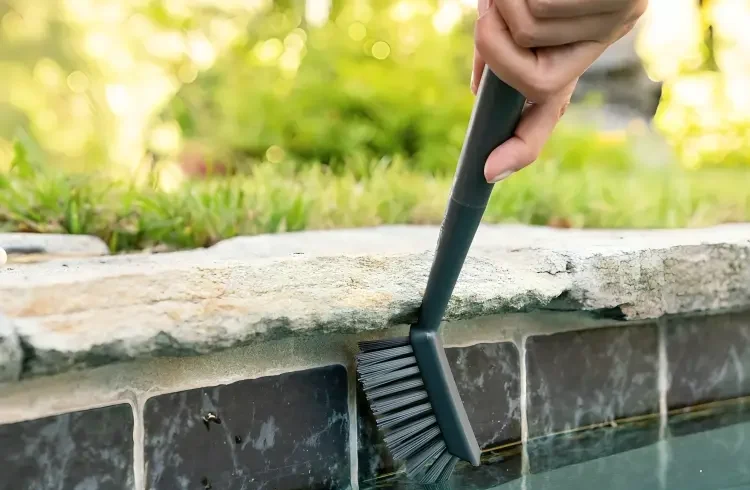
Maintaining swimming pool tiles is a crucial task to ensure they always appear clean, shiny, and strong. Regular maintenance of your pool tiles will not only help you maintain the aesthetic look of your pool but also prevent potential problems such as staining, calcium deposits, grout damage, and algae accumulation in the future.
Weekly Maintenance:
- Brush tile surfaces to prevent dirt buildup
- Remove algae deposits before they spread
- Clean the waterline area to avoid stains
Weekly cleaning helps prevent stubborn mineral deposits and keeps the pool looking fresh.
Monthly Maintenance:
- Check grout condition for cracks or gaps
- Remove calcium and hard water deposits
Calcium buildup (white scaling on tiles) is common, especially in areas with hard water. Early removal prevents permanent staining.
Annual Maintenance:
- Inspect tiles for cracks or loosening
- Re-seal grout if necessary
Annual inspection ensures small issues are fixed before turning into costly repairs.
Using mild, pool-safe cleaners is strongly recommended, as harsh chemicals can damage tile glaze and weaken grout over time. Consistent care keeps swimming pool tiles attractive, hygienic, and long-lasting.
Cost of Swimming Pool Tiles (Estimated)
While designing a pool project in Pakistan, it is necessary to know the cost of swimming pool tiles in order to budget properly. The cost will depend on the quality of the material, brand (domestic or foreign), design, and the city (Lahore, Karachi, Islamabad, etc.). The approximate cost in PKR per square foot is given below.
Swimming Pool Tile Prices in Pakistan (PKR)
| Tile Type | Estimated Price per Sq Ft (PKR) |
|---|---|
| Ceramic Tiles | PKR 250 – 800 |
| Porcelain Tiles | PKR 800 – 2,000 |
| Glass Tiles | PKR 1,800 – 4,500 |
| Mosaic Custom | PKR 2,500 – 7,000+ |
⚠ Prices may vary based on imported brands, dollar rate fluctuations, and custom design requirements.
What Affects Swimming Pool Tile Cost in Pakistan?
- Imported vs Local Tiles – Imported glass or Spanish porcelain tiles are more expensive.
- Tile Thickness & Quality – Higher density tiles cost more but last longer.
- Pool Size – Larger pools reduce per-square-foot labor cost.
- Design Complexity – Custom logos and artistic mosaic designs increase cost.
- City & Contractor Rates – Labor charges differ by region.
Benefits of Investing in High-Quality Swimming Pool Tiles
When you invest in quality tile for your swimming pool, it is a long-term investment that will pay off. Quality tiles will enhance the beauty of your swimming pool and contribute to its longevity as well as reduce any repair needs in the future. Many homeowners and property developers realize that the initial higher cost of quality tiles is well worth it in the long term.
There are many key benefits to using quality swimming pool tiles:
- Increase The Value Of Your Property: An attractive tiled swimming pool with high-quality finishes adds upscale appeal to your property and may increase resell value.
- Enhance The Visual Appeal Of Your Swimming Pool: Quality swimming pool tiles offer a refined, modern and luxurious look.
- Increase The Longevity Of Your Swimming Pool: Quality swimming pool tiles will be more durable than standard tiles, therefore have fewer chances of cracking, fading or suffering from water damage.
- Lower Cost Of Maintaining Your Swimming Pool: Quality swimming pool tiles are likely to require fewer repairs and require less frequent cleaning.
- Greater Resistance To Chemicals In Swimming Pools: Quality swimming pool tiles offer a greater level of protection against chemicals commonly used in swimming pools, including chlorine and sea saltwater, as well as against damaging weather conditions.
Transform Your Pool with Zellia Art Works
If you want to ensure that the swimming pool meets or exceeds regulations, you need to hire a contractor who has the experience and skill necessary to build the swimming pool correctly. Many companies offer a variety of pool tile solutions.
Whether you are searching for high-end glass tiles, long-term porcelain finishes, stunning ceramic waterline tiles, or individual mosaic artworks, you will find that the skilled team at Zellia Art Works will create an aesthetically pleasing project that will compliment both your style and budget. With an emphasis on waterproofing solutions, chemical resistant materials, and the most current design trends, Zellia Art Works guarantees that your pool will be both enjoyable and built to last.
Final Thoughts
Selecting the right swimming pool tiles requires balancing design, safety, durability, and budget. Whether you prefer glass pool tiles for a luxury look, porcelain for strength, ceramic for affordability, or mosaic tiles for artistic flair — each option offers unique advantages.